The Need for Better Surgical Sharps Counting
Surgical sharps counting is a mandatory safety process performed in every operating room, every procedure, every day. The evidence is clear on what happens when it fails — and on how far the current standard of care falls short.
Surgical Counts Remain Completely Manual
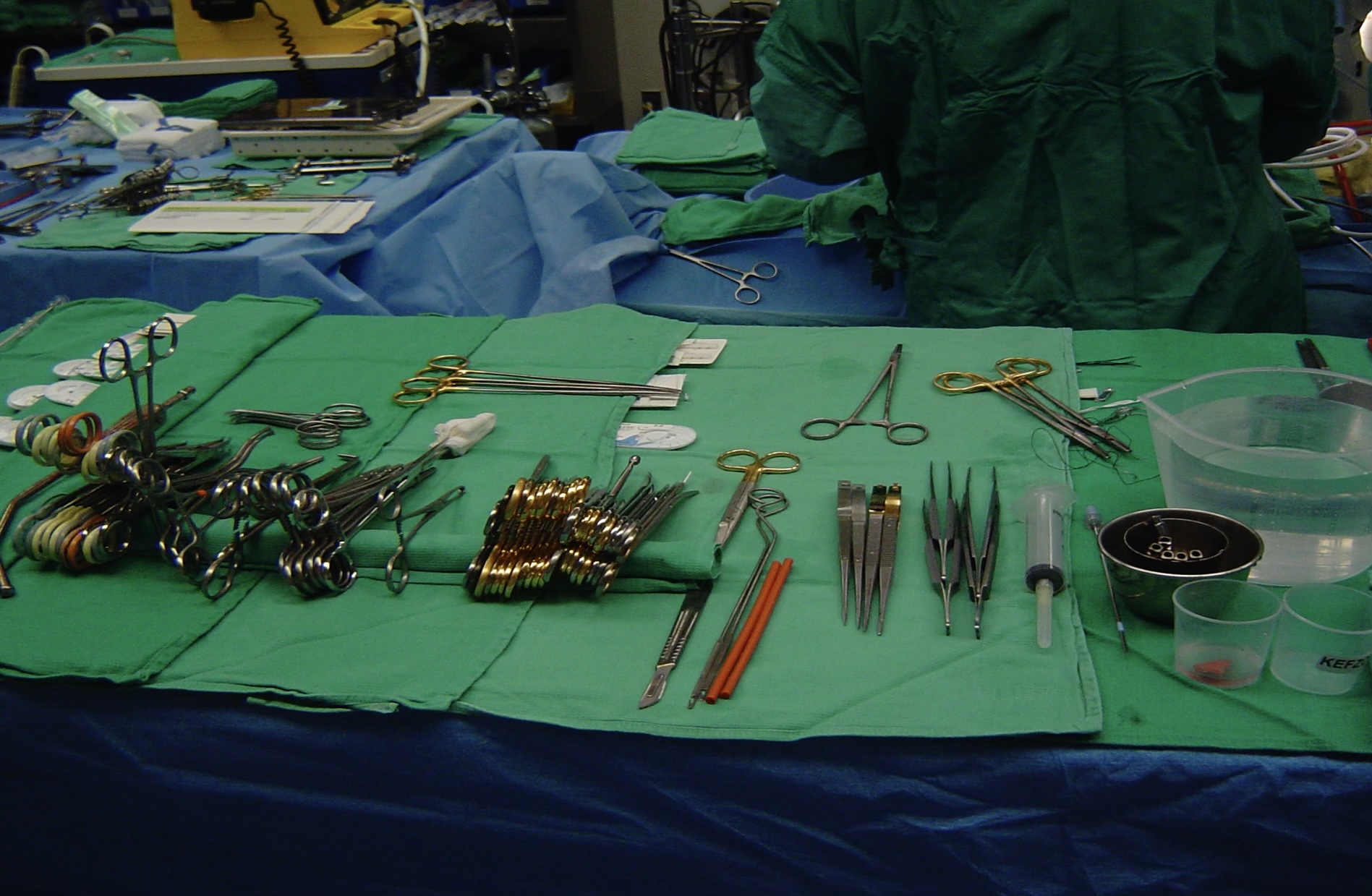
Surgical counting is a foundational perioperative safety practice, codified in standards published by both the Association of periOperative Registered Nurses (AORN) and the Association of Surgical Technologists (AST). These standards define when counts must be performed, which items must be counted, and what reconciliation procedures apply when counts cannot be resolved.
The standards have been in place for decades. The process itself — visual inspection, verbal confirmation, manual tally, paper documentation — has changed very little. Counts are performed by the scrub technician and circulating nurse together, at defined points throughout the procedure: before the first incision, during critical transitions, when staff change, when additional sharps are introduced, and before wound closure.
This process is rigorous by design. It is also entirely dependent on human attention, communication, and documentation accuracy, performed under the conditions of an active surgical procedure.
Association of periOperative Registered Nurses. Guidelines for Perioperative Practice: Prevention of Retained Surgical Items. AORN; 2021.
Association of Surgical Technologists. Recommended Standards of Practice for Counts. AST; effective 2006. ast.org ↗
Count Discrepancies Are More Common Than Recognized
Count discrepancies — situations where the count at closure does not match the count at opening — are not rare. Published research has documented discrepancies occurring in as many as one in eight surgical procedures.
Most discrepancies are resolved through recount before closure. But resolution requires time, attention, and — in cases that cannot be reconciled at the surgical field — imaging. Each unresolved discrepancy represents a possible retained item until it is definitively ruled out.
The true rate of discrepancies is likely higher than published estimates. Many institutions do not systematically track near-miss events, and the social dynamics of the operating room may discourage disclosure. What the published literature captures is the floor, not the ceiling, of the problem's actual frequency.
Weprin S, Crocerossa F, Meyer D, et al. Risk factors and preventive strategies for unintentionally retained surgical sharps: a systematic review. Patient Saf Surg. 2021;15:24. PMC8276389 ↗
Needles Are the Most Frequently Miscounted Item
Among all retained surgical items, needles are usually the most frequently miscounted. In one major analysis of retained foreign objects following surgery, needles accounted for approximately 76 percent of miscounted items. A separate prospective observational study found a lower but still leading share — needles constituted 49% of miscounts in that cohort.
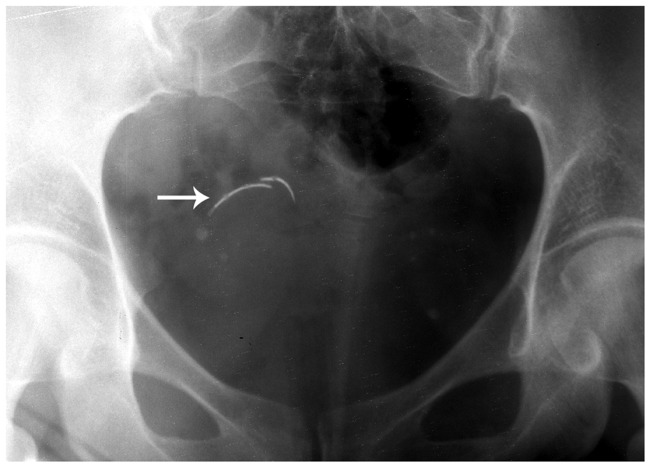
Technology exists to tag and track surgical sponges and instruments with RFID tags. It is not practical to tag surgical needles due to their small sizes and function, they must pass through delicate tissues. As a result, needles are the last major category of surgical items without an automated counting solution. SmartCountOR was created specifically to address this need.
Gawande AA, Studdert DM, Orav EJ, Brennan TA, Zinner MJ. Risk Factors for Retained Instruments and Sponges after Surgery. N Engl J Med. 2003;348:229–235. PubMed ↗
Count Discrepancies Interrupt Workflow
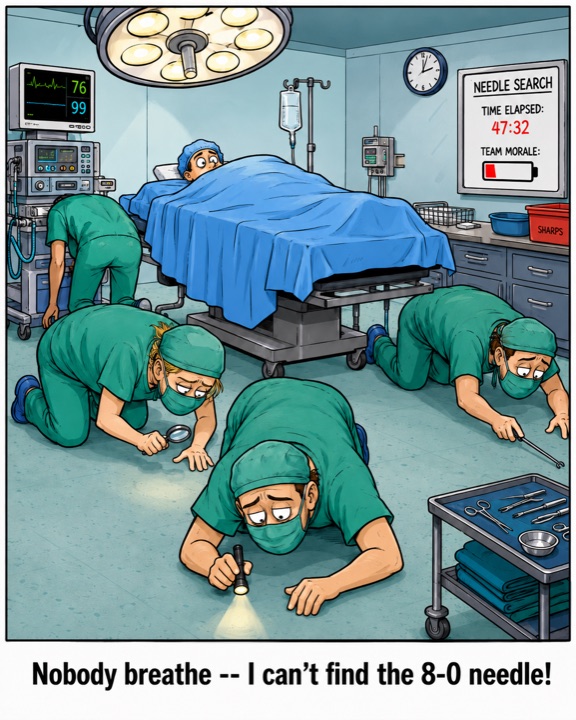
When a count cannot be reconciled, the clinical team is required to investigate before the wound can be closed. The protocol is defined: the count is repeated, the surgical field is searched, documentation is reviewed. If the discrepancy cannot be resolved through these steps, intraoperative imaging is obtained.
Each of these steps takes time. The wound remains open. The surgeon waits. The anesthesiologist manages an anesthetized patient. The team's attention shifts from the procedure to the investigation. This is not a rare inconvenience — it is a predictable consequence of the frequency with which discrepancies occur.
The burden is not only operational. Unresolved count discrepancies introduce uncertainty into the closure decision. The clinical team must decide whether to close with an unresolved discrepancy or continue investigating — a high-stakes judgment made under time pressure, with incomplete information.
Retained Surgical Items Are Serious Preventable Events
A retained surgical item — any item unintentionally left inside a patient after a procedure — is classified as a never event by patient safety authorities: a serious, largely preventable adverse event that should not occur when established protocols are followed.
The consequences of a retained item range from infection and chronic pain to the need for reoperation, prolonged hospitalization, and, in serious cases, sepsis and death. The events are also associated with significant liability exposure for institutions and clinicians.
The Joint Commission includes unintended retention of a foreign object as a sentinel event requiring root cause analysis and corrective action. The Centers for Medicare and Medicaid Services (CMS) has identified retained surgical items among the hospital-acquired conditions subject to non-payment under value-based care frameworks.
Despite the severity of consequences and the clarity of standards, retained items continue to occur. Better counting technology is part of the solution — but it is not sufficient on its own. SmartCountOR addresses the specific failure point of manual needle counting, where the current standard of care is most vulnerable.
Agency for Healthcare Research and Quality. Retained Surgical Items: Causation and Prevention. AHRQ PSNet. psnet.ahrq.gov ↗
The Joint Commission. Sentinel Event Policy and Procedures. The Joint Commission. jointcommission.org ↗
Operating Room Efficiency Is a Strategic Priority
Operating room time is among the most expensive resources in a hospital. Published analyses of procedural costs estimate direct operating room costs between $37 and over $100 per minute, with significant variation by procedure type, specialty, and institution.
Count discrepancies, investigations, and imaging add time. In a high-volume operating room environment, the cumulative effect of unresolved counts is material — not only in direct cost, but in the downstream impact on case scheduling, turnover, and throughput.
The case for better sharps counting is not only a patient safety argument. It is also an operational argument: more reliable counting leads to fewer interruptions, faster closures, and more predictable case durations. The two cases reinforce each other.
Childers CP, Maggard-Gibbons M. Understanding Costs of Care in the Operating Room. JAMA Surg. 2018;153(4):e176233. PMC5875376 ↗
Discuss the Clinical Evidence
We welcome conversations with surgeons, perioperative nurses, clinical partners, and researchers with an interest in surgical count intelligence.
Contact Us